
Photography
Photography in Interior Design: Capturing Elegance and Function
Light, composition and styling choices that show how an interior looks and works.
Introduction
The intersection of interior design and photography is a realm where artistry meets precision. This blog post delves into the nuances of this relationship, illustrating how professional photography not only documents but also enhances interior spaces.
Lighting: The Heart of Interior Photography
Lighting isn't just about illumination; it's about setting a mood, creating shadows, and highlighting textures. The interplay of natural and artificial light is pivotal in interior design photography. Resources like PhotographyTalk offer detailed guides on mastering lighting techniques.
Composition and Perspective: Framing the Art of Design
Composition in photography is akin to storytelling. The angle, framing, and perspective chosen by a photographer can dramatically change how an interior space is perceived. Articles on Digital Photography School provide excellent insights into composition techniques tailored for interior spaces.
Staging: Crafting the Perfect Scene
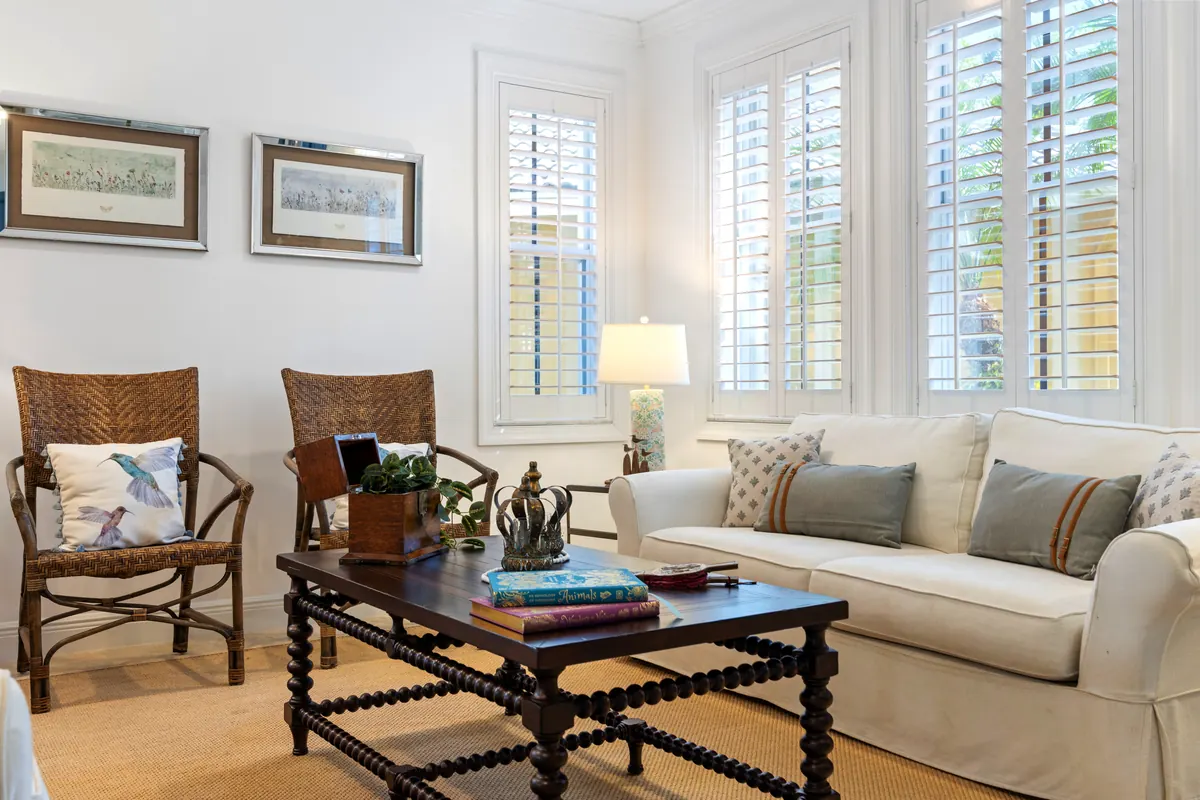
Effective staging can transform a space from mundane to magnificent. It involves strategic placement of furniture, decor, and even color schemes to create a cohesive look. Websites like Houzz can serve as inspiration for staging and design ideas.
Harnessing Technology: HDR and Panoramic Photography
Advancements in technology, such as High Dynamic Range (HDR) imaging and panoramic photography, have opened new horizons in interior photography. These techniques, explained in detail on platforms like Fstoppers, allow for a more comprehensive and immersive representation of interior spaces.
The Power of Editing: From Raw Images to Polished Visuals
Post-processing plays a crucial role in interior design photography. Techniques for enhancing images, balancing colors, and refining details can be explored through tutorials on Adobe’s website.
Conclusion
The fusion of interior design and photography is not merely about capturing spaces; it's about interpreting and presenting them in a way that reflects the designer's vision and the space's purpose. Embracing this synergy is essential for anyone looking to showcase interior spaces compellingly and attractively.