
Photography
The Crucial Focus of Real Estate Photography: Lighting
How natural and artificial light shape a clear, consistent set of property photographs.
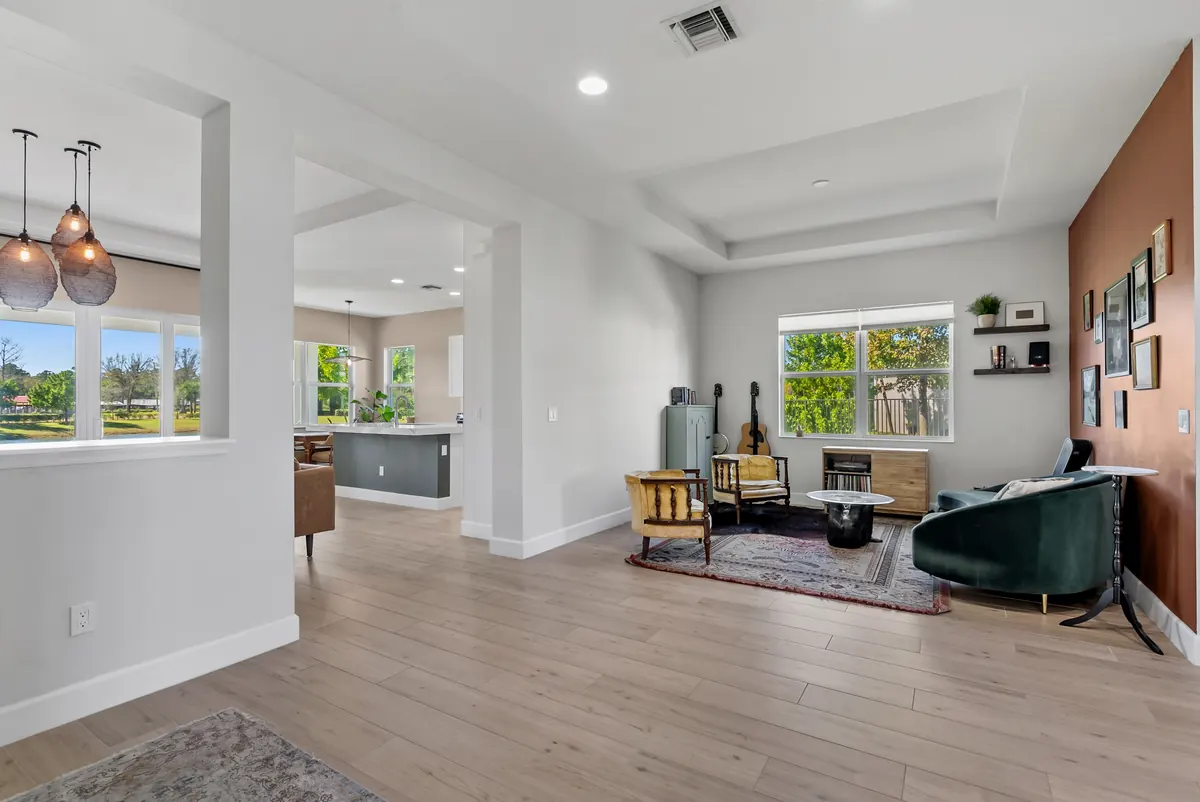
Lighting is a central part of real estate photography. It's a subject that may seem obvious, but its importance cannot be overstated. In the world of real estate, lighting can make or break a property's visual appeal, and that's why it continues to be the focus of both professionals and homeowners.
1. Natural Light vs. Artificial Light: Striking the Balance
One of the most debated topics in real estate photography is the use of natural light versus artificial light. Natural light can create a warm and inviting atmosphere, but it's not always readily available, especially in interior spaces. Professional photographers often employ a combination of natural and artificial light to achieve the best results. This balance ensures that rooms are well-lit and that the photos accurately represent the property.
2. The Magic of Golden Hour
The "golden hour" refers to the period shortly after sunrise or before sunset when the natural light is soft, warm, and diffused. Many real estate photographers aim to schedule their shoots during this time to capture the property in the most flattering light. The gentle, angled sunlight can enhance the exterior beauty of a property and create stunning curb appeal.
3. Overcoming Challenging Lighting Conditions
Not all properties have the luxury of perfect lighting conditions. Some may have dark interiors, while others may face issues with harsh sunlight or unattractive shadows. Experienced real estate photographers have an array of tools and techniques at their disposal to overcome these challenges. From the use of reflectors and diffusers to post-processing adjustments, they ensure that each photo showcases the property in its best light.
4. Lighting and Virtual Staging
Virtual staging is a powerful tool in the real estate industry, allowing potential buyers to visualize a property's potential. Proper lighting is essential in virtual staging to ensure that the digitally added furniture and decor seamlessly blend with the actual space. Lighting adjustments play a key role in achieving a cohesive and realistic look.
5. Consistency Across Multiple Shots
Consistency in lighting is crucial when photographing various rooms within a property. A well-lit living room should seamlessly flow into a well-lit kitchen and bedrooms. Achieving this consistency requires a keen understanding of lighting techniques and the ability to adapt to different environments.
6. The Impact on First Impressions
In the digital age, where potential buyers often form their first impressions of a property online, well-lit photos are a non-negotiable. A property bathed in beautiful, balanced lighting is more likely to grab a viewer's attention and encourage them to explore further. This first impression can make all the difference in generating interest and inquiries.
Lighting deserves careful planning on every property shoot. Proper lighting techniques, whether natural or artificial, play a pivotal role in showcasing a property's best features and creating an emotional connection with potential buyers. As the real estate market continues to evolve, the quest for perfect lighting remains a timeless pursuit for both professionals and homeowners.
At RetakePhoto.com, we understand the significance of lighting in real estate photography. Our expert photographers employ their skills and knowledge to capture your property in the most flattering light, ensuring that it stands out in a competitive market.
RetakePhoto.com - Where Lighting Meets Real Estate Excellence.